The
Yasukuni ('peaceful country') Shrine is located in Tokyo and is dedicated to the spirits of soldiers who died fighting for the Japanese emperor (english homepage
here). It's essentially the Japanese version of a war memorial, and its
Book of Souls contains the names of about two and a half million Japanese men and women who died in the service of their country. Anyone even passingly familiar with the current problems between Japan and its neighbors (most notably China and the Koreas) has likely heard of this place, and has possibly wondered what all the fuss is about. I mean, the leaders of Western nations (all nations?) pay annual homage to their war dead at war memorials, right? Well, yes, but...
In the
Shinto tradition humans become deities (
kami) when they die, so the "
souls of the dead are worshipped rather than just remembered." Only the
kami of '
remarkable' people are enshrined, and this is where things get sticky. In 1978, 14 Class A war criminals (including
Hideki Tojo) were quietly enshrined as 'martyrs of Showa'. (When Emperor Hirohito, emperor of the
Showa period, learned of this he stopped visiting the shrine altogether--more on this below.) Yasukuni also operates a museum which many believe offers a revisionist version of history. It claims that Japan's occupation of its neighbors was done to protect the region's independence from Western encroachment; it denies events like the
Nanking Massacre; it says that the execution of convicted war criminals was "cruel" and "unjust"; etc. For Japan's war-time victims, and for many liberals within Japan itself, Yasukuni is a symbol of Japanese militarism and
right-wing nationalism. Conversely, to many it is a symbol of patriotism.
The current controversy centers around annual visits to the shrine by recent Japaneser prime ministers, and whether these visits were done in an official or private capacity. Current Prime Minister Junichiro Koizumi has visited the shrine four times since taking office in 2001. Not surprisingly, relations with China and South Korea have grown worse during his tenure. Koizumi will step down as prime minister later this year, and many see Yasukuni as a central issue in deciding his successor.
Today saw a
surprise development in this story. From The Independent:
The bitter debate over the annual pilgrimage of Japan's Prime Minister, Junichiro Koizumi, to the Yasukuni Shrine war memorial has been given a new twist by a beyond-the-grave intervention from an unusual critic: Emperor Hirohito.
A memo has been found claiming the wartime ruler expressed "strong displeasure"at Yasukuni enshrining 14 Class-A war criminals in 1978, and refused to visit the memorial, which also honours 2.5 million war dead, until his death a decade later.
As the story points out, this is a "severe embarrassment" for Mr. Koizumi. Personally, I would imagine that right-wing nationalists all over Japan are embarrassed by this revelation. They act and speak, after all, 'in the Emperor's name'. For his part, Mr. Koizumi said that he has not changed his views about the visits, calling it "an issue of the heart". But as the article points out,
[...] proof that the monarch in whose name millions of Japanese fought in the Second World War staunchly opposed official trips to the Tokyo shrine will put intense pressure on Mr Koizumi to call off a final, politically explosive visit before he leaves office in September.
Also of note here is the timing of the memo's release, which is seen by some as an attempt by business interests in Japan to "sabotage the election of Mr. Koizumi's successor" and restore good business relations with the rest of Asia.
The current Emperor, Akihiko, has never visited Yasukuni shrine, despite pressure to do so, and now it's clear that his father, who was emperor during World War II, disapproved of Yasukuni. If this isn't a slap in the face to right-wing nationalists in Japan, I don't know what is. (Imagine the Pope declaring he was an atheist...) I believe the Royal Palace has the hearts of many, if not most, Japanese. This could signal a change within Japan and between Japan and its neighbors. Assuming, of course, that the Japanese themselves are actually paying attention...
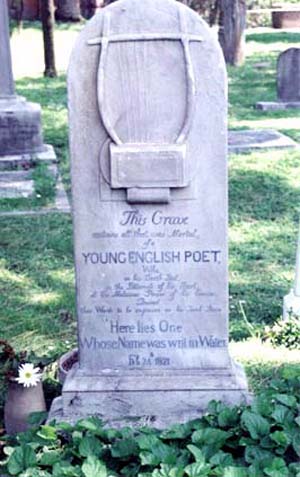 I guess it could be argued that a site like Find A Grave probably has some utility as a reference source ("Millions of Cemetery Records and Online Memorials"), but personally I think it's more interested in pandering to a morbid fascination with celebrity. The most popular searches at the time of this writing include some unsurprising results: